Soil Test Thermometer
Soil Test Thermometer
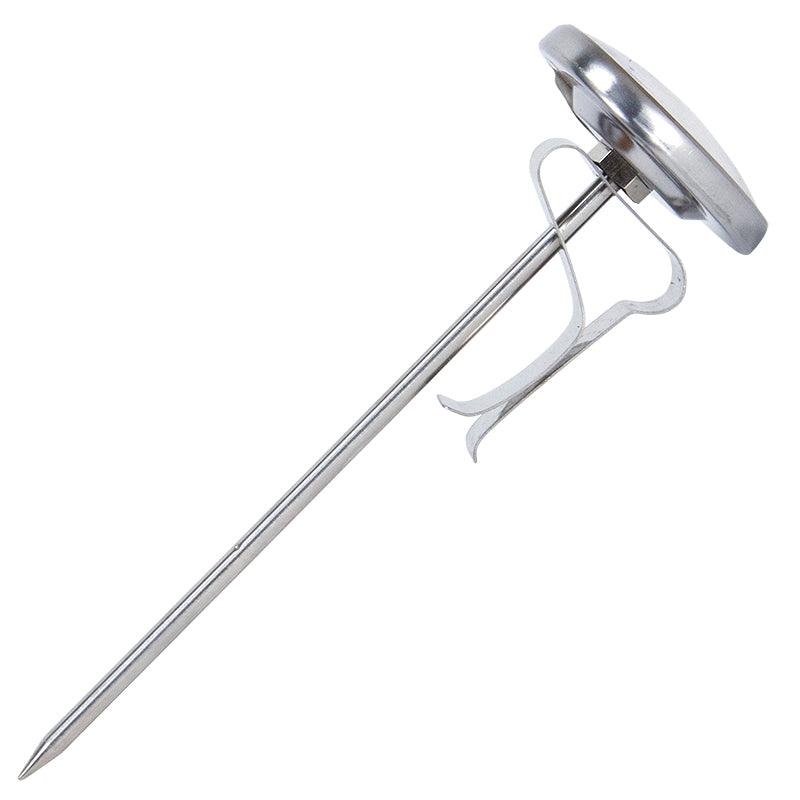
Monitor soil for optimum germination temperatures. Use to measure the temperature of soil mixes during sterilization or pasteurization as well.
- Taylor dial with 5" probe.
- Readings from 20 to 180 degrees F.
- Avoid harmful diseases like pythium (damping off).
- Clip is included for securing to pots
How to Use the Soil Test Thermometer
Gardening success begins with understanding your soil's conditions. The Soil Test Thermometer is an essential tool for gardeners and farmers who want to optimize their planting schedules and ensure the best growing conditions for their crops. This guide will walk you through the steps of using the Soil Test Thermometer, ensuring you get accurate readings to help you make informed gardening decisions.
Why Soil Temperature Matters
Soil temperature is a crucial factor in seed germination, root development, and overall plant health. Different plants have varying temperature requirements for optimal growth. By monitoring soil temperature, you can:
- Determine the Best Planting Time: Knowing the right soil temperature helps you plant seeds when conditions are ideal, leading to better germination rates.
- Enhance Root Growth: Certain plants develop stronger root systems in specific temperature ranges.
- Prevent Plant Stress: Avoid planting when soil is too cold or too hot, which can stress plants and hinder growth.
Getting Started with the Soil Test Thermometer
1. Preparation
Before using the Soil Test Thermometer, ensure it is clean and in good working condition. Check the thermometer for any damage and clean the probe with a soft cloth to remove any debris or residue from previous use.
2. Choosing the Right Time
Soil temperatures can vary throughout the day. For the most accurate readings, take soil temperature measurements in the morning and late afternoon. This will give you a range of temperatures and help you understand the daily fluctuations.
3. Inserting the Thermometer
To get an accurate soil temperature reading:
- Select a Test Area: Choose a spot in your garden where you plan to plant. If you have multiple planting areas, take readings from each.
- Insert the Probe: Push the thermometer probe into the soil to the depth where your seeds or plants' roots will be. For most vegetables, this is about 2-4 inches deep. For deeper-rooted plants, insert the probe to the appropriate depth.
- Wait for the Reading: Leave the thermometer in the soil for about 3-5 minutes. This allows the probe to adjust to the soil temperature and provide an accurate reading.
4. Recording the Temperature
Once the thermometer stabilizes, read the temperature on the gauge. Record this temperature in a gardening journal or log. This record will help you track soil temperature trends and make informed planting decisions.
Using Soil Temperature Data
With the soil temperature data, you can:
- Plan Planting Schedules: Refer to seed packets or gardening guides to determine the optimal planting temperature for your crops. Plant seeds when the soil reaches the recommended temperature range.
- Monitor Seasonal Changes: Track how soil temperature changes with the seasons. This can help you plan for cool-season and warm-season crops.
- Adjust Mulching and Irrigation: Soil temperature can be influenced by mulching and watering practices. Use your thermometer readings to adjust these practices to maintain optimal soil conditions.
Maintenance and Care
To ensure the longevity and accuracy of your Soil Test Thermometer:
- Clean After Each Use: Wipe the probe with a damp cloth to remove soil particles.
- Store Properly: Keep the thermometer in a dry place, away from extreme temperatures and humidity.
- Check for Accuracy: Periodically check the thermometer’s accuracy by comparing it with a known temperature standard, such as an indoor thermometer or another reliable soil thermometer.
Using a Soil Test Thermometer, often referred to as a soil temperature gauge, is a straightforward but invaluable practice for any gardener or farmer. By regularly monitoring soil temperatures with an accurate soil thermometer or a digital soil thermometer, you can optimize planting times, improve crop health, and enhance overall garden productivity. Incorporate this simple tool, whether it's a garden soil thermometer or a soil temp probe, into your gardening routine to achieve better results and a more bountiful harvest. A planting soil thermometer and a soil temperature sensor are essential additions to your gardening toolkit.
Hey, you. We're committed to giving you the best stuff out there, and sometimes that means we find other cool people making awesome things. It's like we're the best matchmakers for your self-care routine.
This product is from one of those super rad, small businesses that we’ve vetted and love. But since they're the experts, they'll be shipping it directly to you.
So, don't be shocked when this little gem arrives in its own separate package, all by its lonesome. It's just a special delivery from a friend of the family!
Couldn't load pickup availability

Alert me if this item is restocked.
We often restock popular items or they may be returned by the other customers. If you would like to be notified when this happens just enter your details below.
Soil Test Thermometer
We respect your privacy and don't share your email with anybody.
Alert me if this item is restocked
(Real) Ingredients
(Real) Ingredients
We use real pronounceable ingredients that are ethically sourced and high quality for your product.
We either grow or work with local growers to source for our formulas. This supports the local economy, gives us the most potent plants & reduces reliance upon fossil fuels.
We make products from herbs that will grow here over herbs from the Amazon, China, or Africa. Oftentimes, those trendy herbs are taken in an unsustainable way & local people do not have access to their native medicines any longer. Bioregional herbalism is where it's at!
Packaging
Packaging
We are working to eliminate plastic from our packaging. Currently, 99% of our packaging is metal, glass, or paperboard. We are always looking for ways to eliminate microplastics from your body and the planet!
How to Use
How to Use
Herbal remedies, supplements, and tonics are fundamentally different from pharmaceuticals (and we like it that way). They are designed to restore your body and its systems to homeostasis gently- working with your body.
Specifics on dosages and administration for all products are in our FAQ. Find the FAQ in the menu under the "About" Section.
We post basic dosage guidelines, but keep in mind if you have more body mass or a faster metabolism than the average bear, you may need to take a larger dose than indicated. If there are hard-and-fast limitations on how often you can take the product, it will be listed on the package. Most can be used up to six times daily without problems (but we doubt that you would need to do that).
Remember, there are no "magic bullets" in life, and any product (herbal, pharmaceutical, or otherwise) claiming 100% success without knowing you, your constitution, and your lifestyle is lying and trying to get into your wallet. Often, herbalists (and MDs) need to try several products before we find the one that works for your unique biochemistry.
Feel free to email us if the product didn't quite do the job, we can recommend another that could do the trick. We are blessed with many plants that have the same action in the body- and often it's just a matter of finding the right one for you.
The Necessary legal-ese
The Necessary legal-ese
Haven Herbs is not your licensed medical provider and therefore cannot legally offer advice or products to diagnose, treat, or cure any illness.
The content on this site is not intended to substitute for advice given by a physician, a pharmacist, or another licensed healthcare professional. You should not use this information as self-diagnosis or for treating a health problem or disease.
Information and statements on this website regarding dietary supplements have not been evaluated by Health Canada or the FDA of the United States, and are not intended to diagnose, treat, cure, or prevent any disease or health condition. See a practitioner if any condition persists or worsens!